Why Are Girls Still Being Left Behind in Education?
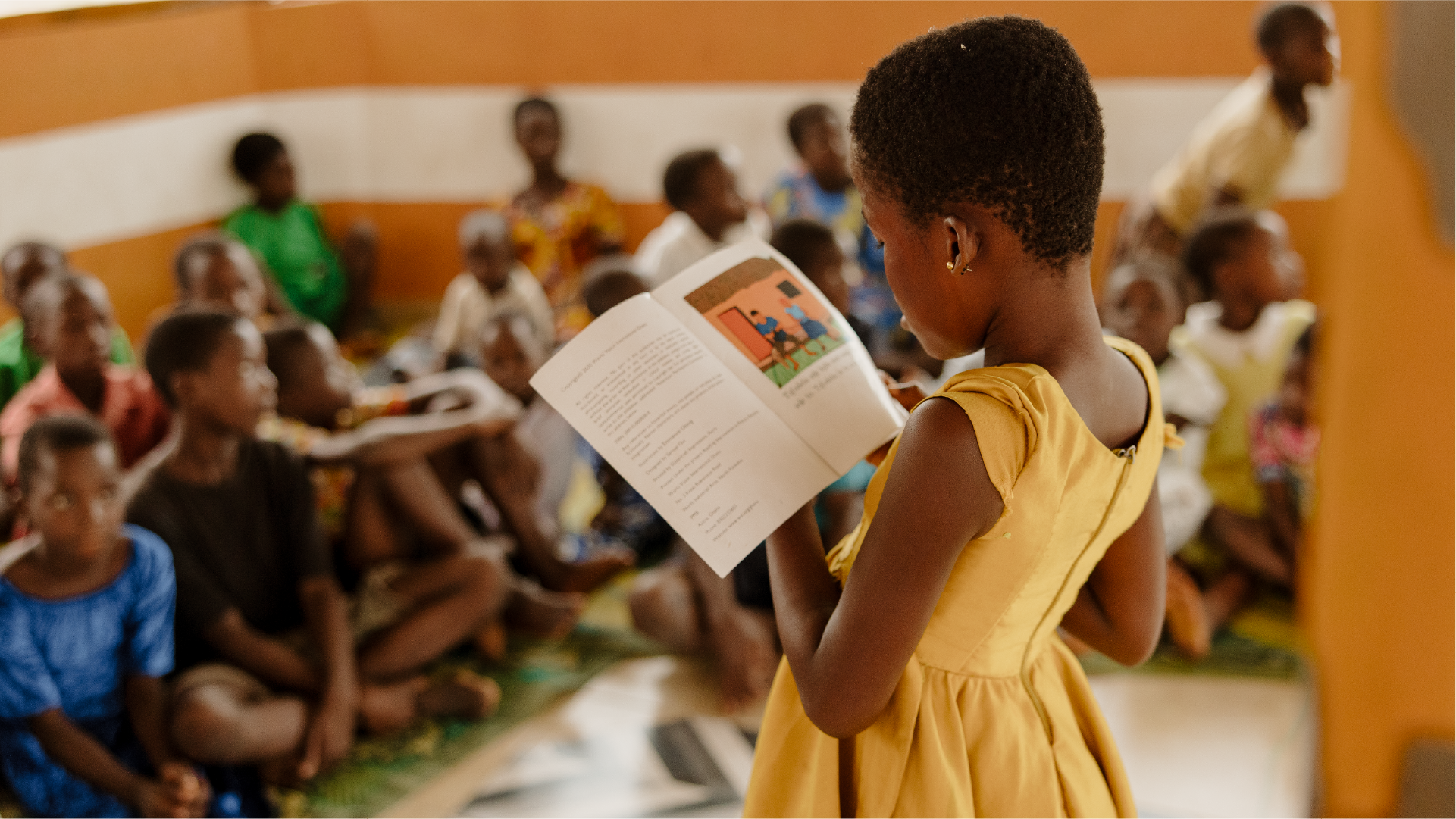
Although the global rate of girls lacking access to education has declined by 39% over the past 20 years, UNESCO reports that 122 million girls still remain out of school globally1.
Nearly four in 10 girls do not complete upper secondary school, and the numbers are worse for those living in marginalised communities or rural areas2.
So why does this gap continue to be deeply entrenched?
What Are the Main Barriers?
Here are some of the most persistent challenges affecting girls’ education in Malaysia and beyond:
1. Poverty
In poor households, even minimal school costs are often too much to bear3. When resources are limited, families often prioritise boys’ education, expecting girls to work at home or get married instead.Girls are then pulled from school to work to support their family. Many begin working as early as age five, with little hope of returning to education4. This perpetuates intergenerational household poverty5.
2. Gender Norms
In many communities, girls are pushed into caregiving and their education is often undervalued6. These gendered expectations shape girls’ roles long before they choose them, narrowing their futures before they’ve had a chance to dream.
3. Child Marriage
More than 12 million girls are married before age 18 every year7&8. Poverty, cultural norms and social pressure drive early marriage, leading to early pregnancy, health risks, and a permanent detour from education.
4. Unsafe School Environments
In many rural communities, long walks to school expose girls to harassment and violence9. Approximately 60 million girls experience sexual assault on the way to school each year, even from people like transport providers and others within their communities10. For many families, the fear of violence leads to them keeping girls home, especially during adolescence.5. Period Poverty
Period poverty forces many girls to miss school due to lack of menstrual products, clean water, and toilets. Over time, monthly absences cause girls to fall behind and eventually drop out of school11.Globally, 1 in 10 girls in rural areas lack a private space to manage menstruation12. Shame, stigma, and poor facilities turn a natural biological process into a barrier to learning13.
When a Girl Is Educated, Everything Changes
Educating girls has a powerful ripple effect14. Girls who stay in school are more likely to:
- Be healthier
- Earn higher incomes
- Avoid child marriage
- Break the cycle of poverty for future generations
How Child Sponsorship Supports Girls’ Education
Through World Vision’s Child Sponsorship Programme, girls receive support to stay in school and thrive, including:

Knowing their rights
Girls learn about their rights and making informed choices

Safe environments
Safe spaces and protective structures to help keep girls from harm

Menstrual health support
Menstrual education and proper facilities help girls stay in school
When you sponsor a girl, you’re not just giving her access to education; you’re helping her take back her future.
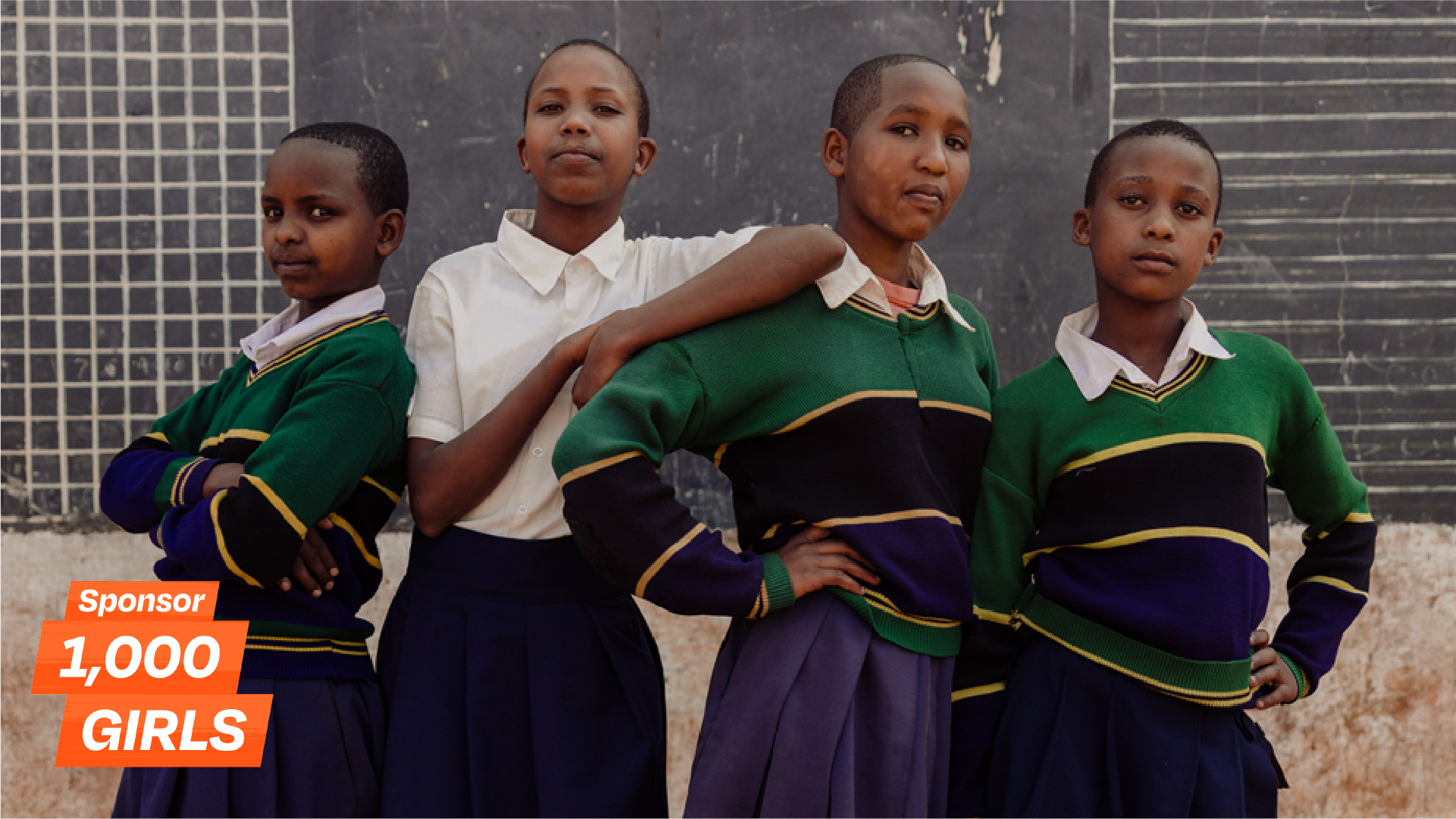
Be the Reason a Girl Stays in School
This International Day of the Girl, stand with her. Help us sponsor 1,000 girls by 11 October 2025.
Sponsorship puts power in her hands. And that changes the world. Because freedom isn't a privilege. It’s her right.
Sources:
1 UNESCO, 2023
2 UNICEF, 2025
3 Think Global Health, 2022
4 Theirworld, 2025
5 Lambon-Quayefio and Owoo, 2021
6 Jan and Azeem, 2024
7 United Nations Population Fund, 2024
8 UNICEF, 2019
9 Srivastava, Chandra Jha, Kumari, Kumar, Vardhan and Menka, 2025
10 Human Rights Watch, 2025
11 Jaafar, Ismail and Azzeri, 2023
12 United Nations Women, 2024
13 Method, et al., 2024
14 UNICEF, n.d.